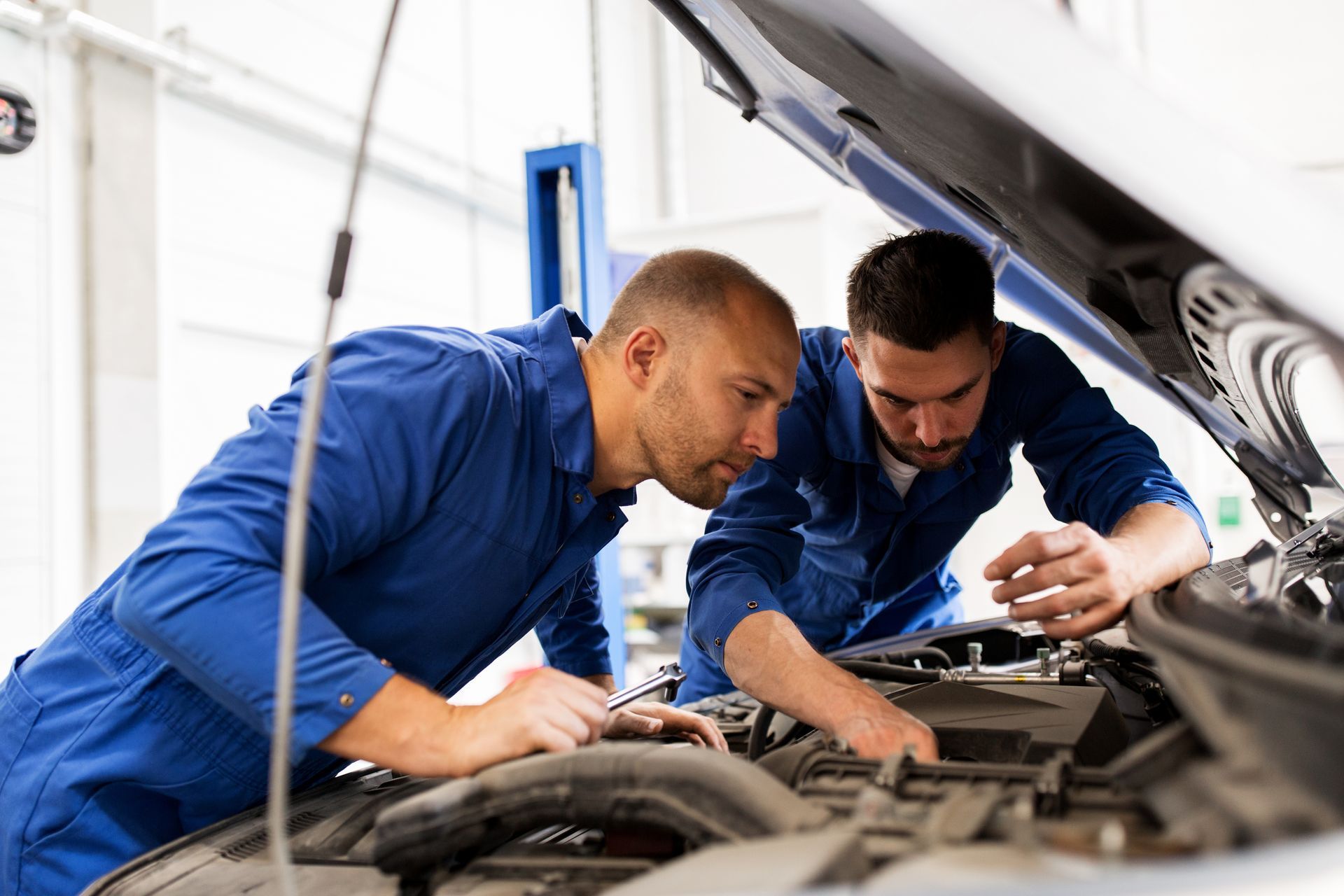
Ron's Auto & RV in Vancouver, WA, shares five things a trustworthy repair shop should explain before starting work.
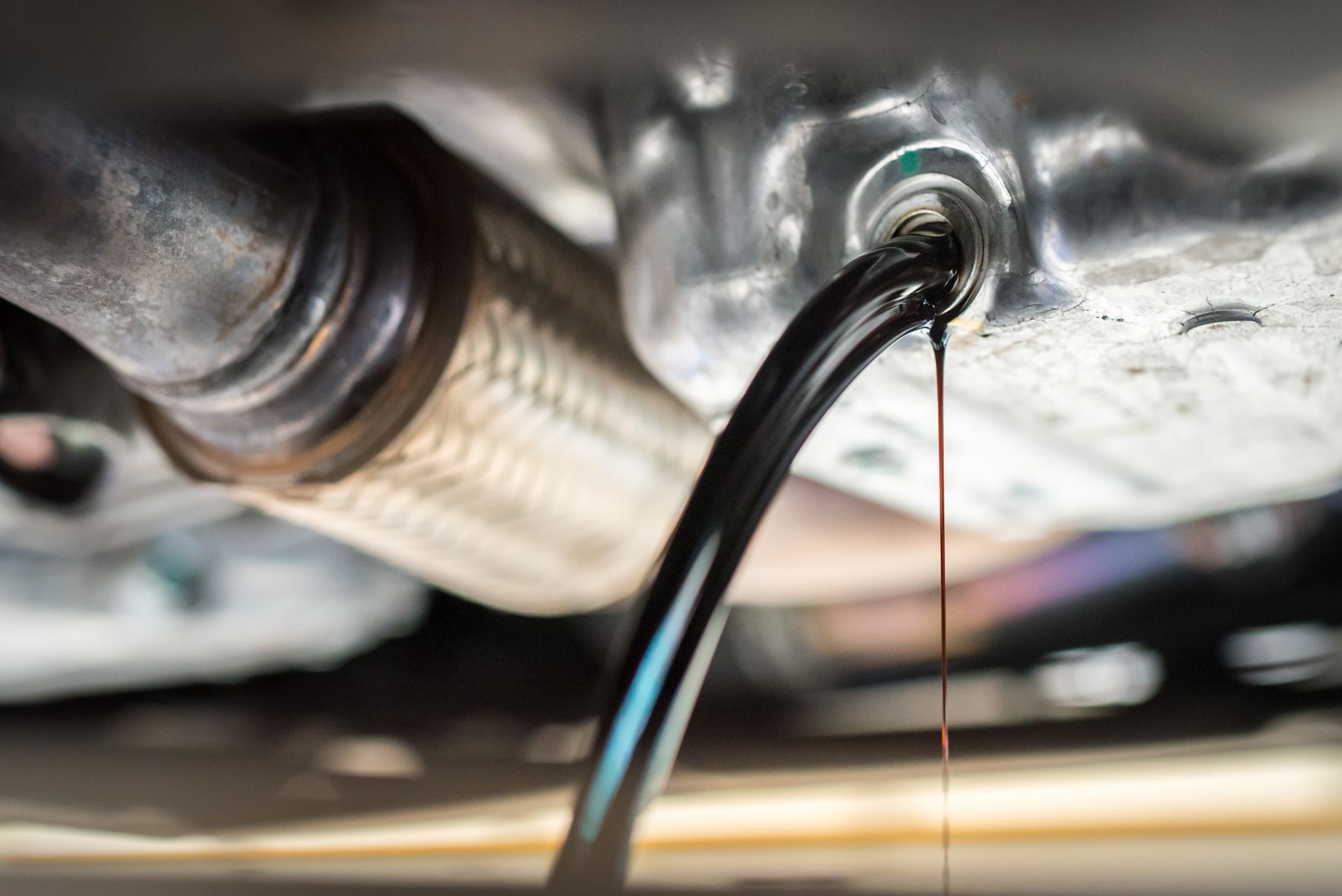
Ron's Auto & RV in Vancouver, WA, explains why cars and RVs may still need oil changes when rarely driven.
How to Winterize Your RV If you’re putting your RV or motorhome into storage for the cold season, one of the most important steps you can take is proper winterization . Freezing temperatures can wreak havoc on plumbing systems, appliances, electronics, and batteries, leading to costly repairs when spring rolls around. Whether you’re a first-time RV owner or an experienced traveler, learning how to winterize your RV correctly is essential for protecting your investment. At Ron’s Auto & RV in Vancouver, WA , we’ve seen firsthand the damage that freezing weather can cause. To help you avoid cracked pipes, dead batteries, faulty tires, and fuel system problems, here’s a simple breakdown of the RV winterization process. Why Winterizing Your RV Matters Even one night of freezing temperatures can burst water lines, damage holding tanks, and ruin appliances like water heaters and pumps. Winterizing your RV ensures that: Water systems are fully protected from freezing Batteries stay charged and healthy Fuel remains stable for long-term storage Appliances and seals don’t dry out or corrode Skipping winterization or doing it incorrectly can lead to thousands of dollars in repairs , especially if water damage spreads inside walls or cabinets. Step-by-Step RV Winterization Checklist 1. Drain and Bypass the Water Heater Start by turning off the water heater and allowing it to cool. Drain all remaining water and switch the bypass valve so no antifreeze enters the heater during the next steps. 2. Empty Fresh, Gray, and Black Tanks Use an approved dump station to empty all holding tanks. Rinse them out thoroughly and add RV-safe tank treatment to prevent odor and buildup during storage. 3. Drain the Entire Water System Open all faucets, hot and cold, and flush out any remaining water. Don’t forget showers, toilets, and exterior wash stations . 4. Pump RV Antifreeze Into the Plumbing Using a water pump conversion kit or siphon tube, draw non-toxic RV antifreeze into the system. Open each faucet until pink antifreeze flows through. Pour antifreeze into drains, toilet bowls, and P-traps as well. 5. Protect Appliances Refrigerator : Clean, defrost, and leave the door propped open to prevent mold. Washer/Dryer : Run antifreeze through if applicable. Ice Makers and Outdoor Showers : Don’t forget to include them in your antifreeze cycle. 6. Remove or Maintain Batteries Cold temperatures drain batteries fast. You can either remove batteries and store them indoors or leave them connected to a smart trickle charger to keep them topped off. 7. Stabilize the Fuel System For gasoline or diesel-powered RVs , fill the tank and add fuel stabilizer . Run the engine and generator briefly to circulate the treated fuel through the system. 8. Seal and Secure Exterior Components Check for cracked seals, loose roof vents, or window gaps . Use RV-safe sealant where needed. Cover tires and consider a breathable RV cover to protect the exterior. Common Winterization Mistakes to Avoid Using automotive antifreeze instead of RV-safe antifreeze Forgetting to bypass the water heater Leaving water in outdoor shower hoses or low-point drains Failing to clean out food crumbs, which attract rodents Letting batteries sit disconnected without charging Even experienced RV owners sometimes miss hidden water lines or skip smaller appliances. If you’re unsure, it’s worth having a professional RV winterization service do it right the first time. Professional RV Winterization in Vancouver, WA At Ron’s Auto & RV , we offer complete RV winterizing services for travel trailers, Class A diesel pushers, Class C motorhomes, and fifth wheels. We also offer full diesel truck services . Whether you want a full-service winterization or just help with plumbing and fuel system protection, we’ll ensure your RV is safely stored all season long. For expert Auto and RV services in Clark County, WA, contact us today !