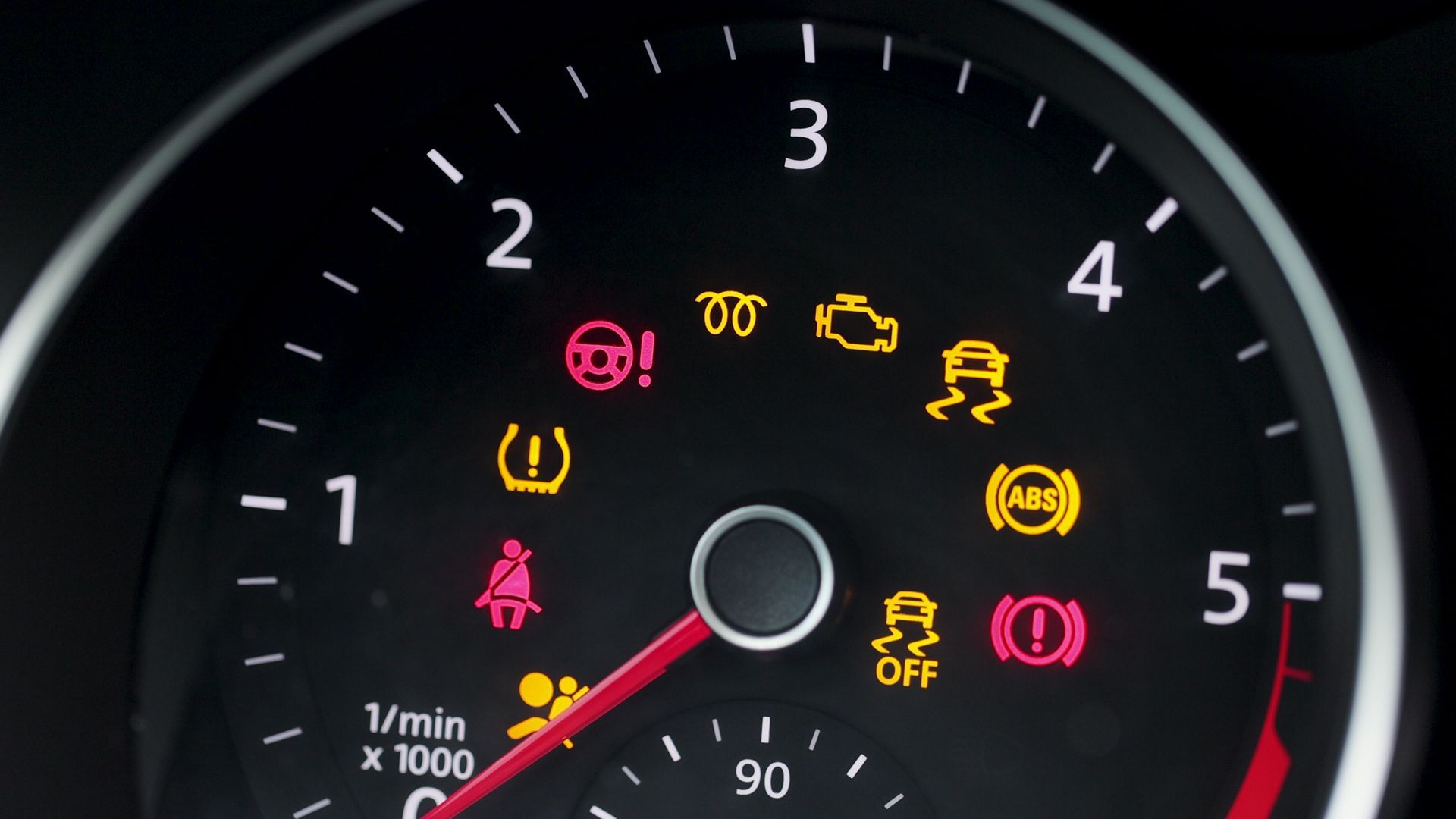
Ron's Auto & RV in Vancouver, WA, describes why a dashboard warning light can come and go and what a diagnostic check may uncover.
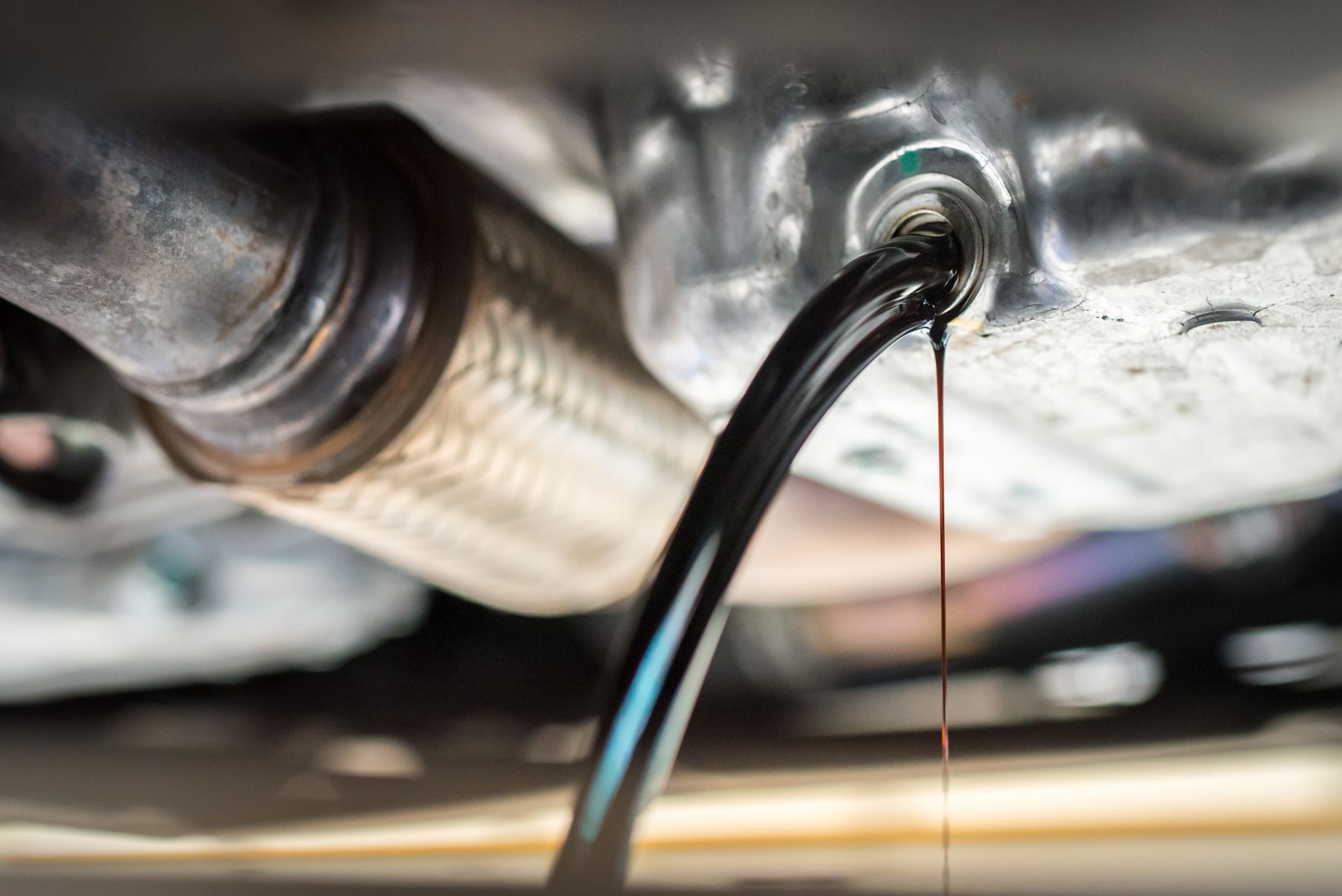
Ron's Auto & RV in Vancouver, WA, explains why cars and RVs may still need oil changes when rarely driven.
How to Winterize Your RV If you’re putting your RV or motorhome into storage for the cold season, one of the most important steps you can take is proper winterization . Freezing temperatures can wreak havoc on plumbing systems, appliances, electronics, and batteries, leading to costly repairs when spring rolls around. Whether you’re a first-time RV owner or an experienced traveler, learning how to winterize your RV correctly is essential for protecting your investment. At Ron’s Auto & RV in Vancouver, WA , we’ve seen firsthand the damage that freezing weather can cause. To help you avoid cracked pipes, dead batteries, faulty tires, and fuel system problems, here’s a simple breakdown of the RV winterization process. Why Winterizing Your RV Matters Even one night of freezing temperatures can burst water lines, damage holding tanks, and ruin appliances like water heaters and pumps. Winterizing your RV ensures that: Water systems are fully protected from freezing Batteries stay charged and healthy Fuel remains stable for long-term storage Appliances and seals don’t dry out or corrode Skipping winterization or doing it incorrectly can lead to thousands of dollars in repairs , especially if water damage spreads inside walls or cabinets. Step-by-Step RV Winterization Checklist 1. Drain and Bypass the Water Heater Start by turning off the water heater and allowing it to cool. Drain all remaining water and switch the bypass valve so no antifreeze enters the heater during the next steps. 2. Empty Fresh, Gray, and Black Tanks Use an approved dump station to empty all holding tanks. Rinse them out thoroughly and add RV-safe tank treatment to prevent odor and buildup during storage. 3. Drain the Entire Water System Open all faucets, hot and cold, and flush out any remaining water. Don’t forget showers, toilets, and exterior wash stations . 4. Pump RV Antifreeze Into the Plumbing Using a water pump conversion kit or siphon tube, draw non-toxic RV antifreeze into the system. Open each faucet until pink antifreeze flows through. Pour antifreeze into drains, toilet bowls, and P-traps as well. 5. Protect Appliances Refrigerator : Clean, defrost, and leave the door propped open to prevent mold. Washer/Dryer : Run antifreeze through if applicable. Ice Makers and Outdoor Showers : Don’t forget to include them in your antifreeze cycle. 6. Remove or Maintain Batteries Cold temperatures drain batteries fast. You can either remove batteries and store them indoors or leave them connected to a smart trickle charger to keep them topped off. 7. Stabilize the Fuel System For gasoline or diesel-powered RVs , fill the tank and add fuel stabilizer . Run the engine and generator briefly to circulate the treated fuel through the system. 8. Seal and Secure Exterior Components Check for cracked seals, loose roof vents, or window gaps . Use RV-safe sealant where needed. Cover tires and consider a breathable RV cover to protect the exterior. Common Winterization Mistakes to Avoid Using automotive antifreeze instead of RV-safe antifreeze Forgetting to bypass the water heater Leaving water in outdoor shower hoses or low-point drains Failing to clean out food crumbs, which attract rodents Letting batteries sit disconnected without charging Even experienced RV owners sometimes miss hidden water lines or skip smaller appliances. If you’re unsure, it’s worth having a professional RV winterization service do it right the first time. Professional RV Winterization in Vancouver, WA At Ron’s Auto & RV , we offer complete RV winterizing services for travel trailers, Class A diesel pushers, Class C motorhomes, and fifth wheels. We also offer full diesel truck services . Whether you want a full-service winterization or just help with plumbing and fuel system protection, we’ll ensure your RV is safely stored all season long. For expert Auto and RV services in Clark County, WA, contact us today !
Understanding the difference between regular and synthetic oil is crucial for vehicle owners, as it impacts engine performance, longevity, and maintenance schedules. This comprehensive guide will explore the distinctions between these two types of engine oils and the implications for auto repair services. 1. Introduction to Engine Oils Purpose of Engine Oil: Engine oil plays a critical role in lubricating engine parts, reducing friction, protecting against corrosion, and aiding in heat dissipation. 2. Regular Oil (Conventional Oil) Source: Regular oil is derived directly from crude oil. It undergoes a refining process to remove impurities and is blended with different chemical additives to achieve the desired performance characteristics. Properties: It has a simpler molecular structure compared to synthetic oil. This traditional form of oil is effective for basic lubrication and has been used in vehicles for decades. Cost: Generally, regular oil is less expensive than synthetic oil, making it a cost-effective choice for many drivers. 3. Synthetic Oil Manufacturing Process: Synthetic oil is chemically engineered in a laboratory. It starts with a base oil, to which various additives and synthetic compounds are added. Molecular Consistency: The controlled manufacturing process results in a product with uniformly smooth and consistent molecules, which offers superior lubricating properties. Performance Advantages: Synthetic oils excel in extreme temperatures. They flow better in cold weather, providing quicker engine protection, and do not break down as quickly in high temperatures. Engine Cleanliness: Due to its refined production process, synthetic oil is better at keeping engines clean. It can reduce engine sludge and buildup, which are common issues in engines running on conventional oil. Additives: Synthetic oils often contain more advanced additives than conventional oils, enhancing their protective and performance qualities. 4. Blended Oils (Semi-Synthetic Oils) Composition: Blended oils are a mixture of synthetic and conventional oils, offering a balance of cost-effectiveness and enhanced performance. Benefits: These oils provide better performance than regular oil, especially in terms of temperature resistance, without the full cost of synthetic oil. 5. Choosing Between Regular and Synthetic Oil Vehicle Requirements: Some modern vehicles, especially high-performance and luxury models, require synthetic oil due to their engine design and performance needs. Driving Conditions: Vehicles operating in extreme conditions, like very high or low temperatures, may benefit more from the superior properties of synthetic oil. Cost Considerations: While synthetic oil is more expensive, its longer lifespan can offset the initial cost difference. It’s also worth considering for vehicles with high mileage, as it can provide better engine protection. 6. Oil Change Intervals Regular Oil Change Interval: Conventional oil typically requires changes every 3,000 to 5,000 miles, depending on the vehicle and driving conditions. Synthetic Oil Change Interval: Synthetic oils can last much longer, often recommended to be changed between 7,500 to 15,000 miles, again depending on specific factors. Manufacturer’s Recommendations: Always refer to the vehicle’s owner’s manual for the manufacturer’s recommended oil type and change intervals. 7. Environmental Impact Eco-Friendliness: Synthetic oils are generally considered more environmentally friendly due to their longer lifespan and greater efficiency, which can result in fewer oil changes and less waste over time. 8. Role in Auto Repairs and Services Auto Repair Services: When taking your vehicle for maintenance or repairs, it’s important to specify or know the type of oil being used. Auto repair services can provide guidance on the best oil type for your vehicle based on its condition and your driving habits. Impact on Engine Health: The choice between regular and synthetic oil can affect the frequency of repairs and the overall health of your vehicle’s engine. Using the right oil can lead to fewer engine problems and potentially lower repair costs in the long term. 9. Common Misconceptions Switching Between Oil Types: Contrary to popular belief, you can switch between synthetic and regular oils without harming the engine. However, it’s advisable to consult with auto repair professionals before making any changes. Synthetic Oil Leads to Leaks: Modern synthetic oils do not cause leaks. This misconception stems from the use of early synthetic oils in older engines not designed for them. 10. Conclusion Choosing the right type of oil for your vehicle is a decision that should be made based on various factors, including the vehicle’s requirements, driving conditions, and cost considerations. Both regular and synthetic oils have their own set of advantages and are suited for different types of vehicles and driving patterns. Regular oil might be a suitable choice for older vehicles and less severe driving conditions, while synthetic oil is often the best choice for modern engines, extreme conditions, and extended oil change intervals. In the context of auto repair services, understanding these differences is vital for making informed decisions about your vehicle’s maintenance. Regular consultations with auto repair professionals can provide personalized advice based on the specific needs of your vehicle, ensuring optimal performance and longevity of your engine. Remember, investing in the right type of oil and adhering to recommended change intervals is not just about maintaining your vehicle but also about ensuring its efficient and smooth operation. Auto Repair Vancouver WA Timing Belt Replacement Vancouver WA Muffler Repair Vancouver WA Check Engine Light Vancouver WA Brake Repair Vancouver WA RV Repair Vancouver WA Clutch Replacement Vancouver WA Motorhome Repair Vancouver WA Transmission Repair Vancouver WA Alternator Repair Vancouver WA Car AC Repair Vancouver WA Engine Repair Vancouver WA CV Joint Replacement Vancouver WA Diesel truck repair Vancouver WA Truck Repair Vancouver WA Pre-purchase vehicle inspection Vancouver WA Emission Repair Vancouver WA Alternator Repair Battleground WA
When the check engine light in your vehicle illuminates, it can be a source of anxiety and confusion. This light is a part of your vehicle’s onboard diagnostics system, and when it lights up, it indicates that the system has detected a malfunction. Here’s a detailed guide on what steps to take if your check engine light comes on. Understanding the Check Engine Light Diagnostics System: Modern vehicles are equipped with an onboard diagnostics system that monitors engine performance and emissions control systems. Check Engine Light: This light, often labeled as “Service Engine Soon” or “Check Engine,” serves as an alert that something in your vehicle needs attention. Initial Steps When the Light Comes On Don’t Panic: The light doesn’t necessarily mean there is an immediate or severe problem. In many cases, it can be something minor. Check the Gas Cap: A loose or faulty gas cap can cause the check engine light to come on. Ensure it’s tight and in good condition. Note the Behavior of the Light: If the light is steady, it’s typically less urgent than if it’s blinking. A flashing light suggests a more serious issue that requires immediate attention. Check for Other Warning Lights: If other lights or messages appear, such as temperature warning or oil pressure light, stop the vehicle as soon as it’s safe and seek professional help. Diagnosing the Problem Use a Code Reader: If you have access to an OBD-II (On-Board Diagnostics II) scanner, you can plug it into your vehicle to read diagnostic trouble codes (DTCs). Understand the Codes: These codes will give you an idea of what might be wrong with your vehicle. However, they are just a starting point for diagnosis. Professional Diagnostics: If you’re not comfortable diagnosing the issue yourself, it’s best to take your vehicle to a professional. Finding the Right Auto Repair Service “Auto Shop Near Me” Search: Use online search engines or apps to find nearby auto repair shops. Look for places with good reviews and ratings. “Auto Repair” Services: When choosing a service, consider factors like the shop’s certifications, warranties offered, and the experience of the staff. Specialized Services: If you suspect the problem is with your transmission, look for a “Transmission Shop.” Specialized shops have more experience with specific types of repairs. Taking Your Vehicle to the Shop Schedule an Appointment: Once you’ve chosen a shop, schedule an appointment. If the issue is urgent, some shops offer walk-in services. Explain the Issue: Clearly communicate any symptoms you’ve noticed, along with the behavior of the check engine light. Service and Inspection: The mechanics will conduct a thorough inspection and diagnostics to identify the issue. Review the Findings: Once the issue is identified, the mechanic should explain the problem and necessary repairs and provide a cost estimate. Understanding Common Issues Oxygen Sensor Failure: A common issue causing the light to come on is a faulty oxygen sensor, affecting fuel efficiency and emissions. Catalytic Converter Problems: A failing catalytic converter can trigger the light, leading to decreased performance and fuel economy. Spark Plugs/Ignition Coils Issues: Worn spark plugs or faulty ignition coils are another common reason for the check engine light. Mass Airflow Sensor Failure: This sensor monitors the amount of air entering the engine; if it fails, it can cause engine performance issues. Loose or Faulty Gas Cap: As mentioned, this can cause vapor leaks, affecting the emissions system. Transmission Issues: Problems with the transmission can also activate the check engine light, indicating the need for a transmission shop. The Importance of Timely Repairs Prevent Further Damage: Ignoring the check engine light can lead to more serious and expensive problems. Safety: Some issues related to the check engine light can pose safety risks while driving. Emissions and Efficiency: Addressing the issue promptly can ensure your vehicle remains environmentally friendly and fuel-efficient. After Repairs: What Next? Clearing the Codes: After the repair, the mechanic will reset the onboard diagnostics system and clear the codes. Post-Repair Testing: Drive your vehicle for a while to ensure the issue is fully resolved and the light doesn’t come back on. Follow-Up: In some cases, it might be advisable to have a follow-up check to ensure everything is working as it should. Preventive Measures Regular Maintenance: Regularly servicing your vehicle can prevent issues that trigger the check engine light. Be Observant: Pay attention to any changes in your vehicle’s performance, sounds, or smells that could indicate a problem. Educate Yourself: Understanding basic car maintenance and familiarizing yourself with your vehicle’s manual can help you identify potential issues early. In conclusion, the activation of the check engine light is a signal that should not be ignored. While it’s not always indicative of a major problem, timely attention and proper diagnosis are crucial. Utilizing resources like “auto shop near me” searches, “auto repair” services, and, if needed, a “transmission shop” ensures that you get professional and reliable assistance. Keeping up with regular maintenance and being attentive to your vehicle’s needs can go a long way in preventing check engine light issues and maintaining the health and longevity of your car. Remember, when it comes to auto care, a proactive approach is always better than a reactive one. Auto Repair Vancouver WA Timing Belt Replacement Vancouver WA Muffler Repair Vancouver WA Check Engine Light Vancouver WA Brake Repair Vancouver WA RV Repair Vancouver WA Clutch Replacement Vancouver WA Motorhome Repair Vancouver WA Transmission Repair Vancouver WA Alternator Repair Vancouver WA Car AC Repair Vancouver WA Engine Repair Vancouver WA CV Joint Replacement Vancouver WA Diesel truck repair Vancouver WA Truck Repair Vancouver WA Pre-purchase vehicle inspection Vancouver WA Emission Repair Vancouver WA Alternator Repair Battleground WA
The dreaded moment has arrived – you’re driving down the road, and suddenly, your car’s dashboard lights up like a Christmas tree, with the check engine light glaring ominously. It’s a situation that can be both anxiety-inducing and confusing for many car owners. The check engine light is a universal symbol of potential trouble under the hood, but what should you do when it illuminates? In this comprehensive guide, we will delve into the various aspects of dealing with a check engine light, including understanding what it means, possible causes, and the steps to take when faced with this situation. We’ll also explore the importance of regular car maintenance, the role of tire repair shops, tire replacement options, and the benefits of car diagnostic services. So, let’s unravel the mystery of the check engine light and equip you with the knowledge you need to address it effectively. Understanding the Check Engine Light What is the Check Engine Light? The check engine light, often represented as a small yellow or orange icon in the shape of an engine, is a vital component of your vehicle’s onboard diagnostics system (OBD). It is designed to alert you to potential problems or issues with your car’s engine, emissions system, or other critical components. When the check engine light comes on, it serves as a warning signal that something in your vehicle needs attention. The Importance of Not Ignoring It One common mistake car owners make when the check engine light comes on is ignoring it. They may think that as long as their car seems to be running fine, there’s no need to worry. However, this could be a costly oversight. The check engine light can illuminate for various reasons, some of which may not initially affect your car’s performance but can worsen over time. Ignoring the warning can lead to more significant problems and potentially expensive repairs down the road. Possible Causes of a Check Engine Light Malfunctioning Oxygen Sensor One of the most common reasons for a check engine light to come on is a malfunctioning oxygen sensor. Oxygen sensors monitor the level of oxygen in the exhaust gases and help the engine control module (ECM) adjust the air-fuel mixture for optimal combustion. A faulty oxygen sensor can lead to reduced fuel efficiency and increased emissions. Loose or Damaged Gas Cap Believe it or not, a loose or damaged gas cap can trigger the check engine light. The gas cap helps maintain the proper pressure in the fuel system. If it’s not sealing correctly, it can lead to evaporative emissions, causing the light to come on. Catalytic Converter Issues The catalytic converter plays a crucial role in reducing harmful emissions by converting carbon monoxide and other pollutants into less harmful gases. When it malfunctions, it can trigger the check engine light. Ignoring catalytic converter issues can lead to poor performance and increased emissions. Mass Airflow Sensor Problems The mass airflow (MAF) sensor measures the amount of air entering the engine and helps determine the correct fuel-to-air ratio. A malfunctioning MAF sensor can lead to poor fuel economy and engine performance, prompting the check engine light to illuminate. Spark Plug and Ignition System Problems Worn-out or fouled spark plugs, as well as issues with the ignition system, can lead to misfires in the engine. Misfires can result in reduced power, poor fuel efficiency, and an illuminated check engine light. Issues with the Exhaust Gas Recirculation (EGR) System The EGR system recirculates a portion of exhaust gases back into the combustion chamber to reduce emissions. If the EGR valve or related components malfunction, it can cause rough idling, reduced performance, and an activated check engine light. Transmission Problems While the check engine light primarily focuses on engine-related issues, it can also illuminate due to transmission problems. Transmission issues may include slipping gears, harsh shifts, or unusual noises. These problems can affect your car’s overall performance and safety. Chapter 3: What to Do When the Check Engine Light Comes On Don’t Panic When you see the check engine light come on, it’s essential not to panic. While it’s a cause for concern, it doesn’t necessarily mean your car is on the brink of a catastrophic failure. Many times, it’s an early warning sign of a minor issue that can be addressed with prompt attention. Check for Other Warning Lights To assess the severity of the situation, take a moment to check if any other warning lights are illuminated on your dashboard. If you see other lights, such as the oil pressure or battery warning light, along with the check engine light, it could indicate a more serious problem, and you should pull over and turn off the engine immediately. Continue Driving with Caution If the check engine light comes on without any other warning lights and your vehicle appears to be running normally, you can generally continue driving with caution. However, it’s still a good idea to have the issue checked as soon as possible to prevent potential damage. Avoid Hard Acceleration While driving with the check engine light on, try to avoid aggressive driving behaviors like hard acceleration, sudden braking, or towing heavy loads. These actions can exacerbate the underlying issue and lead to more significant problems. Schedule a Diagnostic Test To determine the exact cause of the check engine light, you should schedule a diagnostic test at a reputable car diagnostic service. Many auto repair shops and dealerships offer this service, which involves using specialized equipment to read the trouble codes stored in your car’s onboard computer. The Role of Car Diagnostic Services What Are Car Diagnostic Services? Car diagnostic services are specialized services offered by auto repair shops and dealerships to identify and diagnose issues in your vehicle’s electronic control systems. These services utilize diagnostic equipment that can communicate with your car’s onboard computer to retrieve error codes and data related to engine, transmission, and other systems. Benefits of Car Diagnostic Services Car diagnostic services offer several benefits: Accurate Diagnosis: Diagnostic tools provide precise information about the issues affecting your vehicle, allowing mechanics to pinpoint the problem quickly. Preventive Maintenance: Identifying and addressing issues early through diagnostic services can prevent more extensive and costly repairs in the future. Improved Fuel Efficiency: Resolving engine-related problems detected by diagnostics can improve your car’s fuel efficiency. Enhanced Safety: Diagnostic tests can identify safety-related issues, ensuring your vehicle is safe to drive. Reduced Emissions: Addressing emission-related problems detected by diagnostics helps reduce your vehicle’s environmental impact. Regular Car Maintenance and the Check Engine Light The Importance of Regular Maintenance To reduce the likelihood of your check engine light coming on, it’s crucial to adhere to a regular maintenance schedule for your vehicle. Routine maintenance includes tasks such as oil changes, air filter replacements, spark plug replacements, and inspections of critical components. By keeping your car well-maintained, you can detect and address issues before they trigger the check engine light. Tire Maintenance Tire maintenance is an integral part of overall car maintenance. Proper tire care not only ensures your safety on the road but also contributes to better fuel efficiency and handling. Regularly inspect your tires for signs of wear, maintain the correct tire pressure, and rotate them as recommended in your vehicle’s owner’s manual. Tire Repair Shops and the Check Engine Light The Role of Tire Repair Shops Tire repair shops play a significant role in ensuring your vehicle’s safety and performance. While they primarily focus on tire-related issues, they can also help indirectly with the check engine light. Here’s how: Tire Pressure Monitoring Systems (TPMS): Many modern vehicles are equipped with TPMS, which alerts you when tire pressure is too low. A malfunctioning TPMS sensor can trigger the check engine light. Tire repair shops can diagnose and repair TPMS issues. Suspension and Alignment: Tire issues can result from problems with your vehicle’s suspension or wheel alignment. Misaligned wheels or worn suspension components can cause uneven tire wear, leading to poor handling and reduced fuel efficiency. Routine Maintenance: Tire repair shops often offer routine maintenance services, such as tire rotations and inspections. These services can help prevent tire-related issues that may indirectly impact the check engine light. Tire Replacement Near Me When to Consider Tire Replacement Tire replacement is an inevitable part of vehicle ownership. It’s essential to know when it’s time to replace your tires to ensure your safety and maintain your vehicle’s performance. Consider tire replacement in the following situations: Tread Wear: If the tread on your tires is significantly worn down, it’s time for replacement. Bald tires can reduce traction and increase the risk of accidents, especially in wet or slippery conditions. Punctures and Damage: If your tire has sustained irreparable damage, such as a large puncture or sidewall damage, it’s safer and more cost-effective to replace the tire. Age: Tires have a finite lifespan, even if they haven’t been driven much. Consider replacing tires that are more than six years old, as they can become brittle and prone to failure. Uneven Wear: Uneven tire wear can indicate alignment or suspension issues. If you notice this, have your vehicle inspected and consider replacing the affected tires. Finding Tire Replacement Near Me When it’s time to replace your tires, you’ll want to find a tire replacement service near you. Here’s how you can go about it: Online Search: Use search engines or specialized websites to find tire replacement shops in your area. You can search for specific terms like “tire replacement near me” or “tire shops in [your city].” Ask for Recommendations: Seek recommendations from friends, family, or colleagues who have recently replaced their tires. They can provide insights into the quality of service and pricing at local tire shops. Read Reviews: Online review platforms like Yelp or Google Reviews can provide valuable information about the experiences of other customers at local tire shops. Reading reviews can help you choose a reputable establishment. In conclusion, when your check engine light comes on, it’s essential not to ignore it but to take proactive steps to address the issue promptly. Understanding the potential causes and seeking the services of a reputable car diagnostic service can help you identify and resolve the problem efficiently. Regular car maintenance, including tire care, plays a crucial role in preventing issues that may trigger the check engine light. Additionally, tire repair shops and tire replacement services near you can contribute to your overall vehicle maintenance by ensuring your tires are in good condition and properly aligned. By taking a proactive approach to car care and addressing issues as they arise, you can enjoy safer and more reliable transportation while minimizing the chances of encountering the dreaded check engine light. Remember that a well-maintained vehicle not only saves you money in the long run but also contributes to your safety and the environment. So, the next time your check engine light comes on, you’ll be well-prepared to handle it with confidence and knowledge. Auto Repair Vancouver WA Timing Belt Replacement Vancouver WA Muffler Repair Vancouver WA Check Engine Light Vancouver WA Brake Repair Vancouver WA RV Repair Vancouver WA Clutch Replacement Vancouver WA Motorhome Repair Vancouver WA Transmission Repair Vancouver WA Alternator Repair Vancouver WA Car AC Repair Vancouver WA Engine Repair Vancouver WA CV Joint Replacement Vancouver WA Diesel truck repair Vancouver WA Truck Repair Vancouver WA Pre-purchase vehicle inspection Vancouver WA Emission Repair Vancouver WA Alternator Repair Battleground WA Car AC Repair Battle Ground WA Auto Repair Battleground WA Brake Repair Battleground WA Check Engine Light Battleground WA Clutch Replacement Battleground WA CV Joint Replacement Battleground WA Diesel Truck Repair Battleground WA Engine Repair Battleground WA Muffler Repair Battleground WA Pre-Purchase Inspection Battleground WA RV Repair Battleground WA Timing Belt Replacement Battleground WA Transmission Repair Battleground WA Truck Repair Battleground WA Toyota Repair Vancouver WA Honda Repair Vancouver WA Nissan Repair Vancouver WA
Few things are as frustrating as turning the key in your car’s ignition, only to hear the dreaded click-click-click, and your car refuses to start. A non-starting car can disrupt your day and leave you feeling helpless. However, there’s no need to panic. In this comprehensive guide, we will explore various steps to take when your car won’t start, helping you diagnose and potentially resolve the issue without breaking the bank. Whether you’re looking for auto body repair, car AC repair, or transmission repair near you, we’ve got you covered. Stay Calm and Assess the Situation When your car doesn’t start, it’s essential to stay calm and focused. Panic won’t help, and it might even cloud your judgment. Take a deep breath, and let’s begin troubleshooting. Check the Basics Before you start thinking about auto body repair, car AC repair, or transmission repair near you, it’s crucial to rule out some common, easily fixable issues: a. Battery: The most common reason for a non-starting car is a dead or weak battery. Check if the interior lights, headlights, or dashboard lights are working. If they’re dim or not functioning, it’s likely a battery problem. b. Key: Ensure that you’re using the correct key and that it’s properly inserted in the ignition. c. Transmission: Ensure the vehicle is in “Park” (automatic) or in the correct gear (manual). Some vehicles won’t start if they’re not in the right gear. d. Gas: It may seem obvious, but ensure you have enough fuel in your tank. Sometimes the fuel gauge can be inaccurate. e. Brake pedal: Some cars require you to press the brake pedal while starting. Make sure you’re doing this if your car has this feature. Attempt a Jumpstart If the issue appears to be a dead battery, you can attempt to jumpstart your car. You’ll need a set of jumper cables and another vehicle with a working battery. Follow these steps: a. Position both vehicles close enough for the jumper cables to reach but not touching. b. Turn off both vehicles and put them in “Park” (automatic) or neutral (manual). c. Connect one end of the red (positive) jumper cable to the positive terminal (+) of the dead battery. d. Connect the other end of the red (positive) jumper cable to the positive terminal (+) of the working battery. e. Connect one end of the black (negative) jumper cable to the negative terminal (-) of the working battery. f. Connect the other end of the black (negative) jumper cable to a metal, unpainted part of the engine block or chassis of the dead vehicle. This provides a safe ground and prevents sparks near the battery. g. Start the working vehicle and let it run for a few minutes. h. Attempt to start your car. If it starts, let it run for a while to charge the battery. If it doesn’t start, you may need further assistance. Check the Fuel System If jumpstarting didn’t work and you’ve ruled out the battery, it’s time to consider the fuel system: a. Fuel Pump: Listen for a faint humming noise when you turn the key to the “On” position (just before cranking the engine). If you don’t hear this noise, it could indicate a faulty fuel pump. b. Fuel Filter: A clogged fuel filter can prevent fuel from reaching the engine. If you suspect this, consult your vehicle’s manual for the location of the fuel filter and consider replacing it. c. Empty Fuel Tank: If you’re absolutely certain the tank is empty, you’ll need to refuel. In some cases, the fuel gauge might be malfunctioning. Examine the Ignition System If your car still won’t start, the issue might lie in the ignition system: a. Starter Motor: If you hear a clicking noise but the engine doesn’t turn over, it could be a faulty starter motor. You may need a professional mechanic for this repair. b. Spark Plugs: Worn or fouled spark plugs can prevent your engine from starting. Inspect the spark plugs, and if they’re dirty or damaged, replace them. c. Ignition Switch: The ignition switch can wear out over time. If it’s not making proper contact, it can prevent your car from starting. A professional can diagnose and repair this issue. Address Electrical Problems Your car’s electrical system plays a vital role in its operation. If you suspect electrical issues, follow these steps: a. Fuses: Check the vehicle’s fuse box for any blown fuses. Replace any that are blown with ones of the same amperage. b. Wiring: Inspect the wiring around the battery and starter motor. Look for frayed or corroded wires and repair or replace them as needed. c. Security System: If your car has a security system, it might be immobilizing the engine. Refer to your vehicle’s manual for instructions on how to reset or bypass the security system. d. Key Fob Battery: If your car uses a key fob, the battery may be dead. Replace the battery and attempt to start the car again. Consult Your Vehicle’s Manual Your car’s manual is a valuable resource for troubleshooting specific issues related to your make and model. It can provide guidance on resetting the security system, troubleshooting unique features, and locating specific components. Seek Professional Help If you’ve gone through the above steps and your car still won’t start, it’s time to consult a professional mechanic. They have the expertise and equipment to diagnose and repair more complex issues, including auto body repair, car AC repair, and transmission repair. a. Auto Body Repair Near Me : If your car has suffered physical damage that may affect its ability to start, such as a collision or body damage, look for an auto body repair shop near you. They can assess the extent of the damage and recommend necessary repairs. b. Car AC Repair Near Me : While a malfunctioning air conditioning system might not be the primary cause of a non-starting car, it’s essential for overall comfort and safety. If you suspect AC-related issues, consult a local car AC repair specialist to diagnose and fix the problem. c. Transmission Repair Near Me : Transmission problems can manifest as starting issues, especially if the transmission isn’t engaging properly. If you suspect transmission trouble, it’s crucial to contact a qualified transmission repair specialist near you to address the issue promptly. When your car won’t start, it can be a frustrating experience, but it’s essential not to panic. By following the steps outlined in this guide, you can often diagnose and resolve the issue yourself. Start with the basics, such as checking the battery and fuel system, and work your way through the ignition and electrical systems. If all else fails, don’t hesitate to seek professional help, whether it’s for auto body repair, car AC repair, or transmission repair. Remember that regular maintenance and prompt attention to issues can help prevent future non-starting problems, keeping your vehicle running smoothly for years to come. Auto Repair Vancouver WA Timing Belt Replacement Vancouver WA Muffler Repair Vancouver WA Check Engine Light Vancouver WA Brake Repair Vancouver WA RV Repair Vancouver WA Clutch Replacement Vancouver WA Motorhome Repair Vancouver WA Transmission Repair Vancouver WA Alternator Repair Vancouver WA Car AC Repair Vancouver WA Engine Repair Vancouver WA CV Joint Replacement Vancouver WA Diesel truck repair Vancouver WA Truck Repair Vancouver WA Pre-purchase vehicle inspection Vancouver WA Emission Repair Vancouver WA Alternator Repair Battleground WA Car AC Repair Battle Ground WA Auto Repair Battleground WA Brake Repair Battleground WA Check Engine Light Battleground WA Clutch Replacement Battleground WA CV Joint Replacement Battleground WA Diesel Truck Repair Battleground WA Engine Repair Battleground WA Muffler Repair Battleground WA Pre-Purchase Inspection Battleground WA RV Repair Battleground WA Timing Belt Replacement Battleground WA Transmission Repair Battleground WA Truck Repair Battleground WA Toyota Repair Vancouver WA Honda Repair Vancouver WA Nissan Repair Vancouver WA
Auto repair is a crucial aspect of vehicle ownership, one that can significantly impact the safety, longevity, and performance of your automobile. Whether you drive a compact sedan or a powerful SUV, your vehicle will require maintenance and repairs at some point. When faced with the need for auto repair, many individuals often search for terms like “ auto repair near me ,” “car repair near me,” or “ mechanic near me ” to find a reputable service provider. In this comprehensive guide, we will explore what auto repair entails, the types of services offered, and the importance of finding a reliable mechanic near you. Understanding Auto Repair Auto repair, also known as car repair or vehicle maintenance, encompasses a wide range of services aimed at diagnosing and fixing issues with automobiles. These services are essential to keep your vehicle in good working condition and ensure its safety and reliability on the road. Auto repair covers various aspects of vehicle maintenance, including: Routine Maintenance: Regular maintenance is essential to prevent potential problems and extend the life of your vehicle. This includes services like oil changes, tire rotations, brake inspections, and fluid checks. Diagnostic Services: When your vehicle experiences issues, a mechanic will use specialized equipment and expertise to identify the problem. This involves scanning for error codes in the vehicle’s computer system and conducting visual inspections. Mechanical Repairs: Mechanical repairs involve fixing issues with essential components such as the engine, transmission, suspension, and exhaust system. These repairs can range from minor adjustments to major overhauls. Electrical Repairs: Modern vehicles are equipped with complex electrical systems, and auto repair services often include diagnosing and repairing problems with lights, sensors, wiring, and electronic components. Bodywork and Collision Repair: In the unfortunate event of an accident or collision, auto repair services may also include bodywork and panel replacement to restore the vehicle’s appearance and structural integrity. Tire Services: Tire-related services include tire replacement, patching punctures, wheel alignment, and balancing to ensure optimal traction and handling. Exhaust System Repairs: Repairing or replacing components of the exhaust system, including the muffler and catalytic converter, is vital for emissions control and overall vehicle performance. HVAC (Heating, Ventilation, and Air Conditioning) Repairs: Ensuring your vehicle’s climate control system functions correctly is essential for comfort during extreme weather conditions. The Importance of Auto Repair Auto repair is crucial for several reasons, including: Safety: Regular maintenance and repairs are essential for ensuring the safety of the vehicle’s occupants and others on the road. Issues like brake failure, worn-out tires, or malfunctioning lights can lead to accidents. Reliability: A well-maintained vehicle is less likely to break down unexpectedly, reducing the chances of being stranded on the roadside. Fuel Efficiency: Properly maintained vehicles tend to be more fuel-efficient, saving you money on gas and reducing your environmental footprint. Longevity: Auto repair and maintenance can significantly extend the life of your vehicle, allowing you to get more value out of your investment. Resale Value: Regular maintenance and documentation of repairs can increase the resale value of your vehicle when you decide to sell or trade it in. Finding Auto Repair Services Near You When you’re in need of auto repair services, whether it’s routine maintenance or addressing a specific issue, it’s essential to find a reputable mechanic or auto repair shop near you. Here are some steps to help you in your search: Online Search: Start by conducting an online search using keywords like “auto repair near me,” “car repair near me,” or “mechanic near me.” This will provide you with a list of local options. Ask for Recommendations: Seek recommendations from friends, family, or coworkers who have had positive experiences with local auto repair shops. Personal referrals can be valuable in finding trustworthy service providers. Read Reviews: Visit online review platforms like Google, Yelp, or Angie’s List to read reviews and ratings for auto repair shops in your area. Pay attention to both positive and negative feedback to get a balanced perspective. Check Qualifications: Look for auto repair shops or mechanics with certifications from organizations like the National Institute for Automotive Service Excellence (ASE). Certifications indicate a higher level of expertise and professionalism. Visit the Shop: If possible, visit the auto repair shop in person. Assess the cleanliness and organization of the facility, as this can be an indicator of their attention to detail. Request Estimates: Contact several auto repair shops to request estimates for the specific services you need. Compare the quotes to ensure you’re getting a fair price. Ask Questions: Don’t hesitate to ask the mechanic or shop owner questions about their experience, the types of services they offer, and their warranty policies. A reputable shop will be transparent and willing to answer your questions. Types of Auto Repair Shops Auto repair services are offered by various types of establishments, each with its own set of advantages and specialties. Here are some common types of auto repair shops: Independent Repair Shops: These are locally-owned and operated auto repair businesses. They often provide personalized service and may specialize in certain makes and models of vehicles. Independent shops can offer competitive pricing and build strong relationships with customers. Dealership Service Centers: Vehicle dealerships typically have service centers where they offer maintenance and repairs for the specific brands they sell. While they have in-depth knowledge of those brands, dealership services can be more expensive than independent shops. Chain Auto Repair Shops: Chain shops, such as national franchises, provide standardized services across multiple locations. They often offer warranties on parts and labor and can be a convenient choice for routine maintenance. Specialized Shops: Some auto repair shops specialize in specific types of vehicles or repairs. For example, you might find shops that specialize in European imports, classic cars, or hybrid vehicles. Mobile Mechanics: Mobile mechanics come to your location to perform repairs or maintenance. They are a convenient option for minor repairs or services that don’t require a full-service shop. DIY and Enthusiast Garages: Some facilities cater to car enthusiasts and DIY (do-it-yourself) mechanics by providing access to tools, equipment, and workspace for a fee. These garages are equipped for individuals who want to work on their own vehicles. Auto Repair Costs The cost of auto repair services can vary widely based on several factors, including the type of repair, the make and model of your vehicle, labor rates in your area, and the cost of replacement parts. It’s essential to get estimates from multiple shops and ask for a breakdown of costs to understand what you’re paying for. Here are some cost-related considerations: Labor Costs: Labor costs are a significant portion of auto repair expenses. The hourly rate charged by mechanics can vary, so it’s wise to inquire about labor rates when obtaining estimates. Parts Costs: The price of replacement parts can vary based on the quality of the parts and whether they are new, used, or remanufactured. You may have options to choose from, but it’s essential to consider the quality and warranty associated with the parts. Diagnostic Fees: Some shops charge a fee for diagnostic services, especially when they use specialized equipment to identify issues. These fees are typically applied as a separate charge. Additional Fees: Be aware of any additional fees that may apply, such as disposal fees for old parts or environmental fees. These fees should be disclosed upfront. Warranty: Inquire about warranties offered on both parts and labor. A warranty can provide peace of mind and protect you from unexpected expenses if a repair doesn’t hold up. Auto Repair and Preventive Maintenance Preventive maintenance is a proactive approach to auto care that aims to prevent problems before they occur. By regularly maintaining your vehicle, you can avoid costly repairs and ensure its longevity. Here are some essential preventive maintenance tasks: Oil Changes: Regular oil changes are crucial for lubricating the engine and preventing engine wear. The frequency of oil changes depends on your vehicle’s make and model, so consult your owner’s manual for guidance. Tire Maintenance: Check tire pressure regularly and have the tires rotated and balanced as recommended. Proper tire maintenance ensures even wear and optimal traction. Brake Inspections: Have your brakes inspected regularly to ensure they are in good working condition. Squeaking or grinding sounds when braking may indicate the need for brake repairs. Fluid Checks: Check and top off fluids such as coolant, transmission fluid, brake fluid, and power steering fluid as needed. Low fluid levels can lead to mechanical problems. Air Filter Replacement: A clean air filter is essential for the proper functioning of the engine. Replace the air filter according to the manufacturer’s recommendations. Battery Maintenance: Inspect the battery terminals for corrosion and ensure a secure connection. If your battery is more than a few years old, consider having it tested. Timing Belt Replacement: Some vehicles have timing belts that require replacement at specific mileage intervals. A failing timing belt can cause severe engine damage if it breaks. Suspension and Alignment: Regularly check for signs of suspension wear, such as uneven tire wear or handling issues. Alignments may be needed after hitting potholes or curbs. By staying proactive with preventive maintenance and addressing issues promptly through auto repair services, you can keep your vehicle running smoothly and minimize the risk of breakdowns. Auto Repair Scams and Red Flags While most auto repair shops and mechanics are honest and reputable, there are a few bad actors in the industry. To avoid falling victim to scams or unscrupulous practices, watch out for the following red flags: Overly Aggressive Sales Tactics: Be cautious if a mechanic pressures you into getting unnecessary repairs or services. A reputable mechanic should explain the issue clearly and allow you to make an informed decision. Inadequate Documentation: A trustworthy auto repair shop will provide a detailed written estimate and invoice that clearly itemizes the costs, including parts and labor. Lack of documentation can be a sign of an unprofessional operation. Excessive Diagnostic Fees: While it’s common for shops to charge diagnostic fees, these should be reasonable and in line with industry standards. Be wary of shops that charge exorbitant fees just to diagnose an issue. Unwillingness to Show Parts: If a shop claims to have replaced parts but is unwilling to show you the old, allegedly worn-out components, it may raise suspicions. No Written Warranty: A reputable shop should offer a written warranty for both parts and labor. If they don’t, it may indicate a lack of confidence in their work. Lack of Certifications: Ask about the qualifications and certifications of the mechanics. Avoid shops that cannot provide evidence of trained and certified staff. Excessive Upselling: While it’s reasonable for mechanics to recommend additional services or repairs based on their findings, be cautious if they push for numerous add-ons that seem unnecessary. Inconsistent Explanations: If you receive conflicting explanations for the same issue from different mechanics or shops, it’s a sign that you should seek further clarification or a second opinion. Unsolicited Repairs: Be wary if a mechanic claims to have discovered issues that you did not initially complain about or request to be inspected. Unusual Payment Requests: Avoid shops that insist on cash-only payments or ask for a large upfront payment before work begins. If you encounter any of these red flags, consider seeking a second opinion from a different auto repair shop to verify the diagnosis and recommended repairs. Auto repair is an essential aspect of vehicle ownership, ensuring the safety, reliability, and longevity of your automobile. When searching for “auto repair near me,” “car repair near me,” or “mechanic near me,” it’s vital to find a reputable service provider that meets your needs and offers fair pricing. Understanding the types of auto repair services available, the importance of preventive maintenance, and how to spot red flags can help you make informed decisions when it comes to caring for your vehicle. By staying proactive with maintenance and partnering with a trustworthy mechanic, you can keep your vehicle in top condition and enjoy worry-free driving for years to come. Auto Repair Vancouver WA Timing Belt Replacement Vancouver WA Muffler Repair Vancouver WA Check Engine Light Vancouver WA Brake Repair Vancouver WA RV Repair Vancouver WA Clutch Replacement Vancouver WA Motorhome Repair Vancouver WA Transmission Repair Vancouver WA Alternator Repair Vancouver WA Car AC Repair Vancouver WA Engine Repair Vancouver WA CV Joint Replacement Vancouver WA Diesel truck repair Vancouver WA Truck Repair Vancouver WA Pre-purchase vehicle inspection Vancouver WA Emission Repair Vancouver WA Alternator Repair Battleground WA Car AC Repair Battle Ground WA Auto Repair Battleground WA Brake Repair Battleground WA Check Engine Light Battleground WA Clutch Replacement Battleground WA CV Joint Replacement Battleground WA Diesel Truck Repair Battleground WA Engine Repair Battleground WA Muffler Repair Battleground WA Pre-Purchase Inspection Battleground WA RV Repair Battleground WA Timing Belt Replacement Battleground WA Transmission Repair Battleground WA Truck Repair Battleground WA Toyota Repair Vancouver WA Honda Repair Vancouver WA Nissan Repair Vancouver WA
A timing belt is a critical component in the engine of a car, playing a pivotal role in the overall operation and efficiency of the vehicle. To fully understand its importance, we’ll delve into what a timing belt is, its function, signs of wear, and the necessity of timely maintenance and replacement through professional auto repair services. Understanding the Timing Belt 1. Definition and Composition What It Is: A timing belt is a toothed, reinforced rubber belt that synchronizes the rotation of the engine’s crankshaft and camshaft. This synchronization ensures that the engine’s valves open and close at the correct times during each cylinder’s intake and exhaust strokes. Materials: Typically made from high-grade rubber and other durable materials like fiberglass or Kevlar, timing belts are designed to withstand considerable wear and tear. 2. Function in Engine Operation Engine Synchronization: The timing belt maintains the precise timing necessary for the engine’s valves to open and close in sync with the pistons. This synchronization is crucial for the proper functioning of the engine. Preventing Collisions: In interference engines, the timing belt prevents the pistons from colliding with the valves, which could lead to catastrophic engine damage. The Importance of the Timing Belt 1. Engine Efficiency and Performance Smooth Operation: A well-functioning timing belt ensures smooth engine operation, providing a comfortable driving experience. Fuel Efficiency: Proper timing of valve operations improves fuel efficiency and reduces emissions. 2. Preventing Engine Damage Avoiding Major Repairs: A broken timing belt can cause severe engine damage, especially in interference engines. Regular inspection and timely replacement can prevent costly repairs. Recognizing Timing Belt Issues 1. Signs of Wear and Failure Visual Signs: Cracks, fraying, or material loss on the belt are indicators of wear. Noise: A ticking noise from the engine may indicate a worn or loose timing belt. Engine Misfires or Rough Running: These can be signs that the timing belt is slipping or has failed. 2. Consequences of a Failed Timing Belt Engine Damage: In interference engines, a snapped timing belt can lead to bent valves, cylinder head or camshaft damage, and piston and cylinder wall damage. Vehicle Breakdown: A broken timing belt will cause the engine to stop immediately, potentially leaving you stranded. Maintenance and Replacement 1. Regular Inspection and Replacement Auto Repair Services: Regular inspections by professional auto repair services can identify wear and potential issues before they lead to failure. Replacement Schedule: Most manufacturers recommend replacing the timing belt between 60,000 and 100,000 miles, though this varies by make and model. 2. Seeking Professional Assistance Mechanic Near Me: Utilize online resources or local directories to find a reliable mechanic near you for timing belt services. Auto Repair Near Me: Look for reputable auto repair shops that specialize in your vehicle type for quality service. Car Repair Near Me: Establish a relationship with a local car repair shop for regular maintenance, including timing belt checks. Choosing the Right Auto Repair Shop 1. Qualities to Look For Expertise: Choose a shop with mechanics experienced in timing belt replacements, especially for your specific vehicle make and model. Reputation: Check reviews and seek recommendations for reliable auto repair services. Certifications: Look for certifications like ASE (Automotive Service Excellence) as a mark of quality. 2. Services Offered Comprehensive Check: A thorough inspection should include checking the timing belt tension, wear signs, and associated components like tensioner and pulleys. Full Service: Choose an auto shop that offers a full range of services, from inspection to replacement. 3. Transmission Shop Services Specialized Repairs: Some transmission shops also provide comprehensive engine repair services, including timing belt maintenance. Replacement Process 1. What It Involves Removal of Parts: Replacement often requires removing various engine parts, including the water pump, pulleys, and sometimes the radiator. Precision in Installation: Accurate alignment and tensioning of the new timing belt are critical to prevent engine damage. 2. Associated Repairs Water Pump Replacement: Often replaced alongside the timing belt as a preventative measure. Checking Other Components: It’s also a good opportunity to check and replace other wear-prone parts like tensioners and pulleys. Auto Repair Vancouver WA Timing Belt Replacement Vancouver WA Muffler Repair Vancouver WA Check Engine Light Vancouver WA Brake Repair Vancouver WA RV Repair Vancouver WA Clutch Replacement Vancouver WA Motorhome Repair Vancouver WA Transmission Repair Vancouver WA Alternator Repair Vancouver WA Car AC Repair Vancouver WA Engine Repair Vancouver WA CV Joint Replacement Vancouver WA Diesel truck repair Vancouver WA Truck Repair Vancouver WA Pre-purchase vehicle inspection Vancouver WA Emission Repair Vancouver WA Alternator Repair Battleground WA
Understanding the consequences of not replacing your vehicle’s timing belt on time is crucial for maintaining your car’s health and avoiding serious mechanical issues. In this comprehensive guide, we’ll explore what can happen if you delay this essential maintenance task. We’ll also discuss how to find reliable auto repair services, including local mechanics and transmission shops , to ensure your vehicle stays in top condition. 1. Introduction Role of the Timing Belt: The timing belt is a critical part of your car’s engine. It synchronizes the movements of the camshaft and crankshaft, ensuring valves open and close properly during the engine’s cycles. 2. Risks of Not Replacing the Timing Belt Engine Damage: One of the most severe consequences of not replacing the timing belt is engine damage. If the belt fails, it can lead to a collision between the engine’s valves and pistons, causing extensive and costly damage. Decreased Car Performance: A worn timing belt can affect the engine’s timing, leading to poor performance, reduced fuel efficiency, and increased emissions. Breakdowns: A snapped timing belt often results in an immediate engine shutdown, potentially leaving you stranded and requiring emergency auto repair services. 3. Warning Signs and Preventive Measures Recognizing Symptoms: Early signs of a failing timing belt include unusual noises from the engine, difficulty starting the car, and engine misfires. Regular Maintenance: Regular visits to an auto repair shop for check-ups can help in the early detection and replacement of a timing belt. Mileage Check: Typically, manufacturers recommend timing belt replacement every 60,000 to 100,000 miles, but consult your vehicle’s manual for specific guidelines. 4. Seeking Professional Help Finding a Mechanic Near Me: Use online tools to locate reputable mechanics in your area. Auto Repair Near Me: Research local auto repair shops, focusing on those with positive reviews and experienced technicians. Car Repair Near Me: Choose a service center that specializes in your car’s make and model for the best results. Transmission Shop: For comprehensive diagnostics, consider a specialized transmission shop, as timing belt issues can sometimes be related to transmission problems. 5. The Replacement Process Inspection: A professional mechanic will first inspect the timing belt for signs of wear and tear. Quotation: Auto repair services will provide a detailed cost estimate for replacing the timing belt. Service Execution: The replacement process may include the removal of various engine components to access the timing belt, making it a complex task best left to professionals. 6. Cost Considerations Immediate Costs: The cost of replacing a timing belt varies but can be significant, especially if pulleys and tensioners need replacing alongside the belt. Long-Term Savings: Investing in timely replacement can save you from more costly repairs due to engine damage and reduce the risk of roadside emergencies. 7. Choosing the Right Auto Repair Service Certifications and Experience: Look for mechanics with certifications and experience in engine repair and maintenance. Customer Feedback: Check online reviews and testimonials to gauge the quality of the auto shop’s service. Service Warranties: Prefer auto repair services that offer warranties on their work, adding an extra layer of assurance. 8. Understanding Your Vehicle’s Needs Consult Your Vehicle’s Manual: Your car’s manual provides specific guidance on maintenance schedules, including timing belt replacement. Stay Informed: Stay up-to-date with your vehicle’s maintenance needs and understand the signs that indicate potential issues. 9. FAQs Can I drive with a worn timing belt? How do I know if my timing belt is due for replacement? What other components should be replaced with the timing belt? 10. Conclusion Preventive Maintenance: Regular maintenance and timely replacement of the timing belt are essential for the longevity and reliability of your vehicle. Finding Reliable Auto Repair: Utilizing searches like ‘auto shop near me’ or ‘auto repair near me’ can help you find trustworthy mechanics and auto repair services. The Importance of Timely Action: Delaying timing belt replacement can lead to more significant, costly repairs, and potentially dangerous driving situations. 11. Additional Resources Educational Materials: Online resources and forums offer further insights into car maintenance and timing belt specifics. Local Auto Repair and Transmission Shops: Listings and reviews can help you find the best service providers in your area. In summary, delaying the replacement of your car’s timing belt can lead to serious engine damage, decreased performance, and unexpected breakdowns. Regular visits to a reliable mechanic or auto repair shop are vital in ensuring the health of your vehicle. Using resources like ‘mechanic near me’ or ‘car repair near me’ searches can help you find qualified professionals who can provide the necessary services and advice. By staying on top of your vehicle’s maintenance needs, including timely timing belt replacement , you can avoid costly repairs and maintain your car’s safety and reliability. Auto Repair Vancouver WA Timing Belt Replacement Vancouver WA Muffler Repair Vancouver WA Check Engine Light Vancouver WA Brake Repair Vancouver WA RV Repair Vancouver WA Clutch Replacement Vancouver WA Motorhome Repair Vancouver WA Transmission Repair Vancouver WA Alternator Repair Vancouver WA Car AC Repair Vancouver WA Engine Repair Vancouver WA CV Joint Replacement Vancouver WA Diesel truck repair Vancouver WA Truck Repair Vancouver WA Pre-purchase vehicle inspection Vancouver WA Emission Repair Vancouver WA Alternator Repair Battleground WA